|
THE LINCOLN MARK VII CLUB |
|
History
November 10, 1983
was the day the Lincoln Division of the Ford Motor Company introduced the newly designed Lincoln Mark
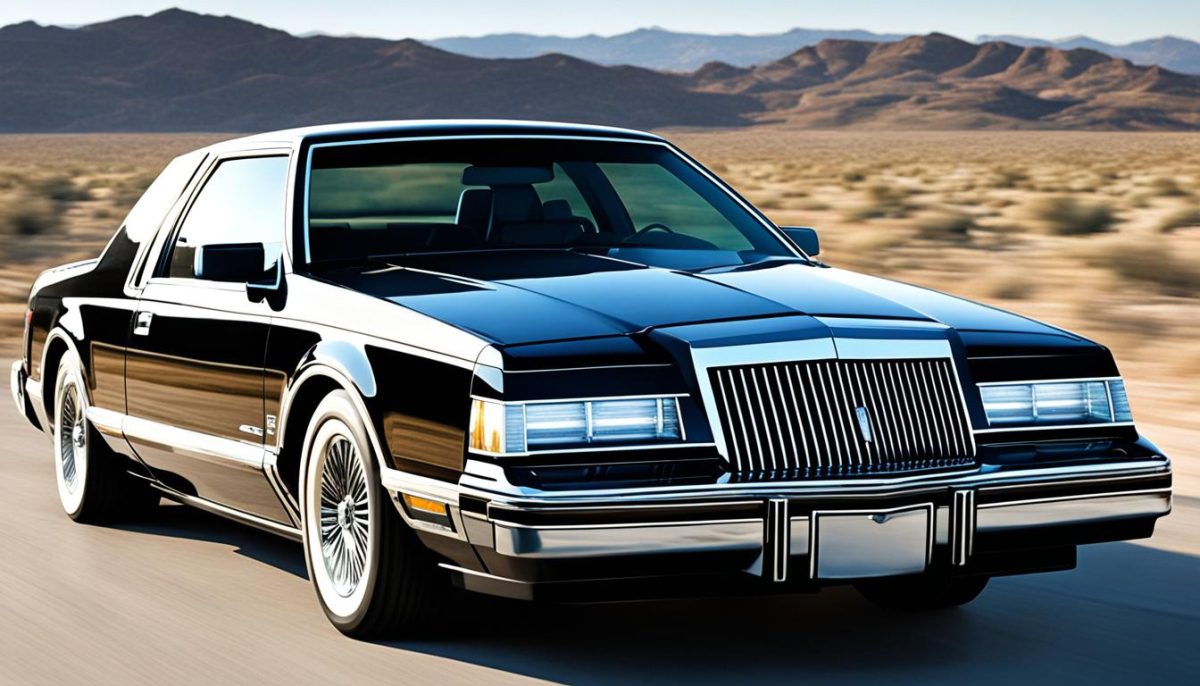
VII. This Mark resembled no other vehicle currently produced in the United States. It's European styled front
end lowered it's wind resistance considerably over previous Mark models. It's new, shorter wheelbase, made
it lighter and more responsive and it's curved, wind swept fenders and roof lines made it very appealing to
almost any driver. Standard equipment included a 302 cubic inch engine, four speed automatic transmission,
four wheel disk brakes, four wheel air ride suspension, onboard Trip Minder Computer, air conditioning,
AM/FM stereo, rear window defroster, rear seat cigarette lighters, front seat cigar lighter, interval wipers, tilt
steering, cruise control, remote release fuel door, power windows, power door locks, power side view
mirrors, power six way driver's seat. Three models above the base model; Bill Blass, Gianni Versace, and
LSC (Lincoln Sport Coupe), provided a variety of individual style and comfort.
1984 Late this year and early 1985 offered a 2.4 liter DIESEL
version of this American luxury vehicle. It's standard Ford 302 gasoline engine, better known as the Five Point Oh,
was commonly found in Ford's Mustang Series. Dealers offered aftermarket options such as a convertible or
Roadster conversions.
1985 All models had the now American standard "above the fender third brake light". A new option;
a mobile telephone, was offered from the factory. The aftermarket
GTC (Grand Touring Coupe) conversion was first offered. GTC's included a 351 Windsor engine, a five speed manual
transmission, Koni Red gas struts and shocks, a ground effects body kit, BBS brand wheels, and stronger/stiffer front
and rear anti sway bars.
1986 Introduced October 3, 1985 the Base model for this year came standard
with chrome lower body molding, a four point star hood ornament, (2) four point star pillar badges, and cloth seats with leather inserts. For
this year, Mark added the nationally required above fender third braking light. On the outside, the Mark VII continued with it's eight section
grille but the driver's side headlamp badge changed from "Continental" to "Lincoln". Body changes were non
existent. Mark's trademark decklid
hump, European headlamp lenses, and wind swept fender lines remained. The well accepted Gianni Versace model was dropped from the line
and the three models still available were the base, Bill Blass, and LSC. The diesel engine was no longer an option as only 3,794 were bought
by Lincoln from BMW and were not greatly accepted between 1984 and 1985. The LSC came with a sequential multiport fuel injected 5.0
engine. Tubular exhaust headers and a tuned and molded intake
manifold helped this engine to produce 200 rear wheel braking
horsepower. This was 60 hp over the CFI engine output of 140 hp available for the base and Bill Blass models. Anti-lock braking systems
were now standard on all Mark models. Also newly standard for this year was power reclining seats, keyless entry, Premium sound, and
power decklid closer. The LSC now came with dual exhaust and a new analog speedometer, tachometer, and fuel
gauge. Black wall tires
on P215/65R15 wheels and perforated leather seats also were standard for the LSC. Bill Blass came standard with leather or suede
saddlebag seats, 60 spoke wire wheels and two different color paint stripes along the body side and on the decklid.
1987 Introduced October 2, 1986 the Mark VII line continued to produce a
Base, Bill Blass, and LSC model. There very little noticeable change for this model year. The 302 engine in
the Base and Bill Blass models
remained at 140 horse power while the power plant for the LSC still produced 200 horse power. 1987 Mark VIIs are known to have three
different engines as a mid-year change was in the works. In anticipation of it's greatest production year, Lincoln planned and installed a
225 hp version of the 302 in very few 1987s. The new engine featured larger heads for greater compression, larger openings in the
intake manifold, and larger exhaust ports into the already smooth flowing tubular exhaust manifolds of the LSC. The number of 225 hp
engines installed by Lincoln into the 1987s is unknown, and would considered a collector's item today. Badging for the LSC remained the
same with a LINCOLN badge above the driver's headlamp, MARK VII badges forward of the doors behind the wheel wells, and LSC
badges on the rear columns. Body changes were non existent. Mark's trademark decklid hump, European headlamp lenses, and wind
swept fender lines remained.
1988 was a banner year for the Mark VII series as the LSC's power plant now boasted a standard 225 hp high
output version of the 302 (5.0) The LSC and Bill Blass were so loaded with standard features that the only
options available were power sun roof, anti-theft alarm system, California emissions system, engine block heater,
auto dimming rear view mirror, and a front license plate bracket. 16"
aluminum turbine wheels were introduced as
standard for the LSC model. Total production hit a high of 38,259 units that would not be surpassed in the following
years.
1989 This year showed very little change from the factory in Wixom, Michigan. The LSC's power steering ratio changed for
better handling and faster turning.
1990 American made cars had rear seat shoulder belts and a driver's side safety air bag installed in the
steering wheel. The Mark VII was no exception. BBS styled lace aluminum cast wheels replaced the turbine wheels
used in the past two years. Stronger and heavier than previous years, they were a direct copy of the BBS made wheels
installed on the aftermarket GTC. BBS wheels did NOT come stamped with a Ford logo. Ford wheels did NOT come
stamped BBS. A newly designed instrument panel for the LSC included a 120 mph speedometer. This was
set inside of a slightly modified dashboard that offered ergonomic controls. Altering the dashboard also required
altering the interior door trim. A new model, the SE (Special
Edition) Package was offered. SE's came in black or red with
monochromatic paint on all exterior trim pieces that were formerly
chromed except the frame of the grille and the side view mirrors.
The teeth of the grille followed the body's paint scheme. The side
view mirrors were only available in black. SE's were shipped with
BBS style wheels at 16"x7" with lace faces that also followed the
body's paint scheme.
1991
The Bill Blass received several upgrades including an improved
suspension, a 3.27 rear axel ratio, and the same 225 hp high
output engine as the LSC. The formerly concaved bases of the air
ride suspension system, were replaced with the same air springs
found in the LSC.
1992 The anticipation of the next Mark series meant no structural or cosmetic changes to the
Mark VII. A new color, Deep Jewel Green Metallic Clearcoat, was added to the Mark VII line and was only available for the 1992. In
an effort to use up as many Lincoln Mark VII parts as possible, 1992's were found to have three different types of grilles. The fuel
tank shrunk 1.8 gallons to 21.0 gallons capacity. Gone were the
perforated leather seat inserts. A solid, non stretched leather
interior found it's way into the cockpit of the LSC's as even the door inserts now had leather facing.
January 30, 1992 the 190,536th Mark VII rolled off the assembly line in
Wixom Michigan,
ending a most remarkable production series!
|